Execution Record: Case 2026-08-GC (ASTEN Autonomous Zone Registry)
Official Chronicle and Forensic Narrative by Dr. Clara María Saldívar
Institutional Introduction
This record documents the final phase of the execution protocol issued by the Federal Tribunal of Mexico and ratified by the extraterritorial jurisdiction of the ASTEN Autonomous Zone. The inmate subject to this procedure is Dr. Julliana Marissa De La Fuente, former Chief of Surgery at the San Juan IMSS Hospital in Mexico City, found guilty of thirteen counts of aggravated homicide and the systematic diversion of organs within an illicit trafficking ring.
From the perspective of the forensic medical supervision under my charge, the application of capital punishment via the hermetic gas chamber represents the exact fulfillment of the judicial ruling. Below, I present the chronological and anatomical dissection of the sequence registered under the corresponding alphanumeric identifiers, strictly ordered from photograph 2.jpeg to 17.jpg.
Execution Sequence: Detailed Stage-by-Stage Analysis
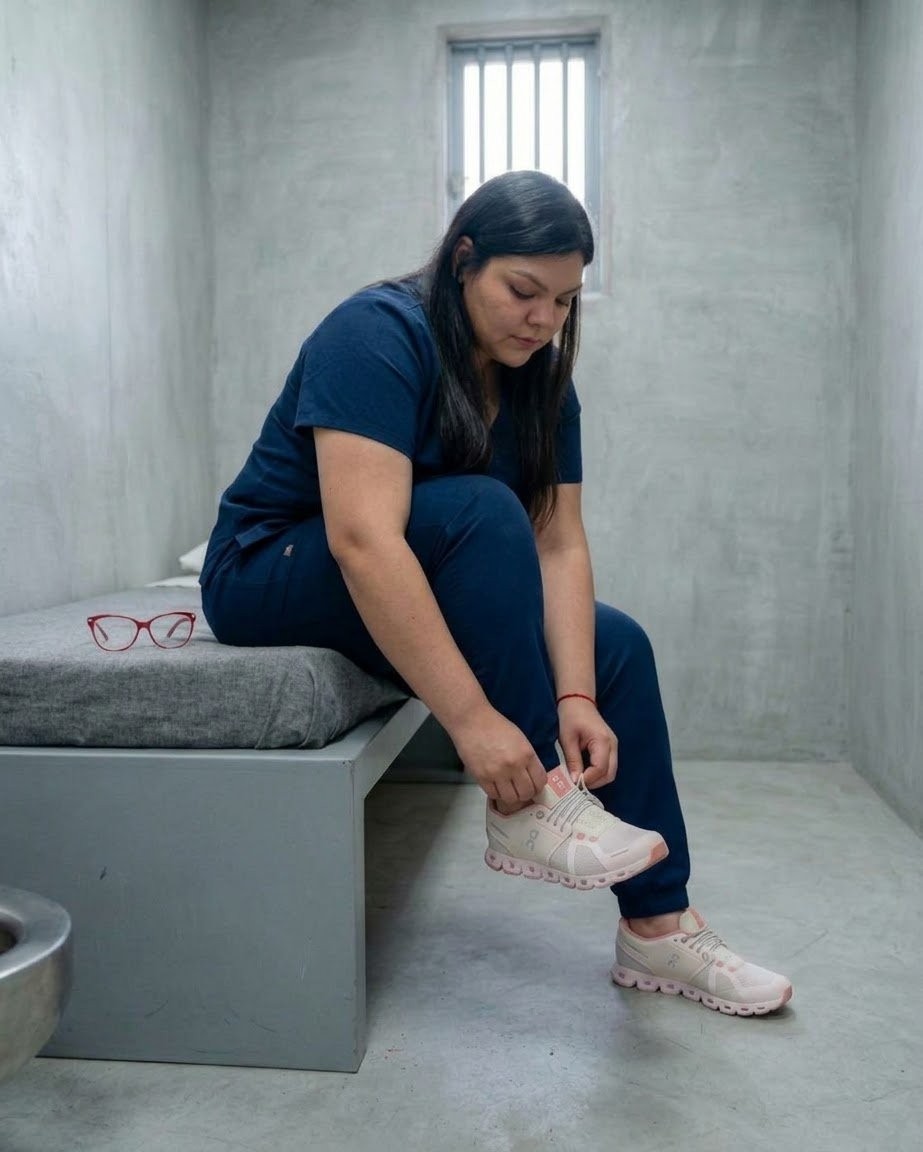
1. Preparation and Initial Restraint in the Cell
- Image Description: Dr. De La Fuente is seated on the edge of a bed in her cell within the ASTEN Autonomous Zone, putting on and adjusting light-colored athletic sneakers over her surgical scrub pants.
- Dr. Clara María Saldívar's Perspective: From a medical-legal standpoint, footwear is permitted as part of the preparations prior to formal transfer to the execution area. I observe correct fine motor function in her fingers while handling the shoelaces, with no signs of neurological alterations or pathological tremors in her upper extremities.
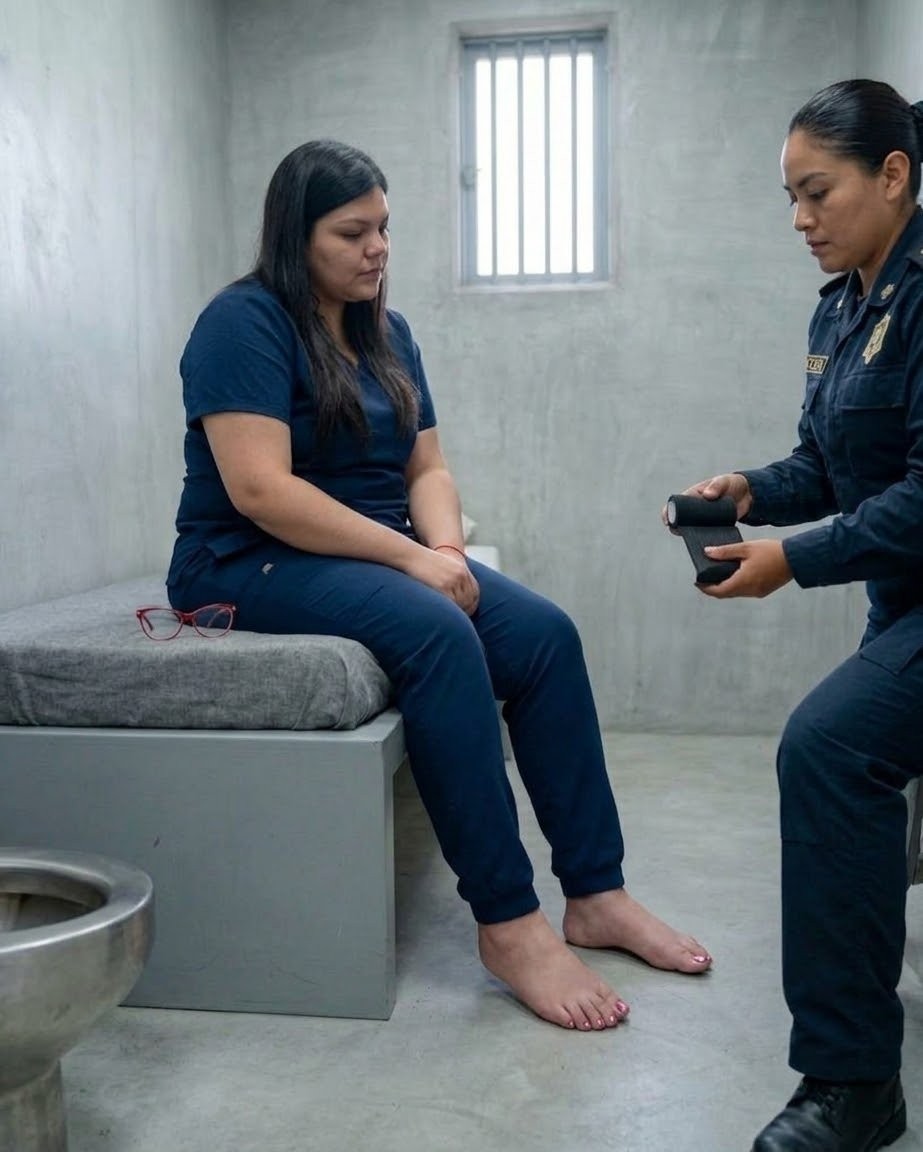
2. Preventive Containment Protocol in Cell
- Image Description: A female ASTEN custody officer approaches the inmate in her cell to apply a containment band or preventive restraint to her forearm or wrist, while the doctor maintains a passive posture.
- Dr. Clara María Saldívar's Perspective: I verify strict compliance with physical security protocols prior to transfer to the exclusion zone. The inmate's passive resistance denotes resigned acceptance of the sentence handed down by the Federal Tribunal.
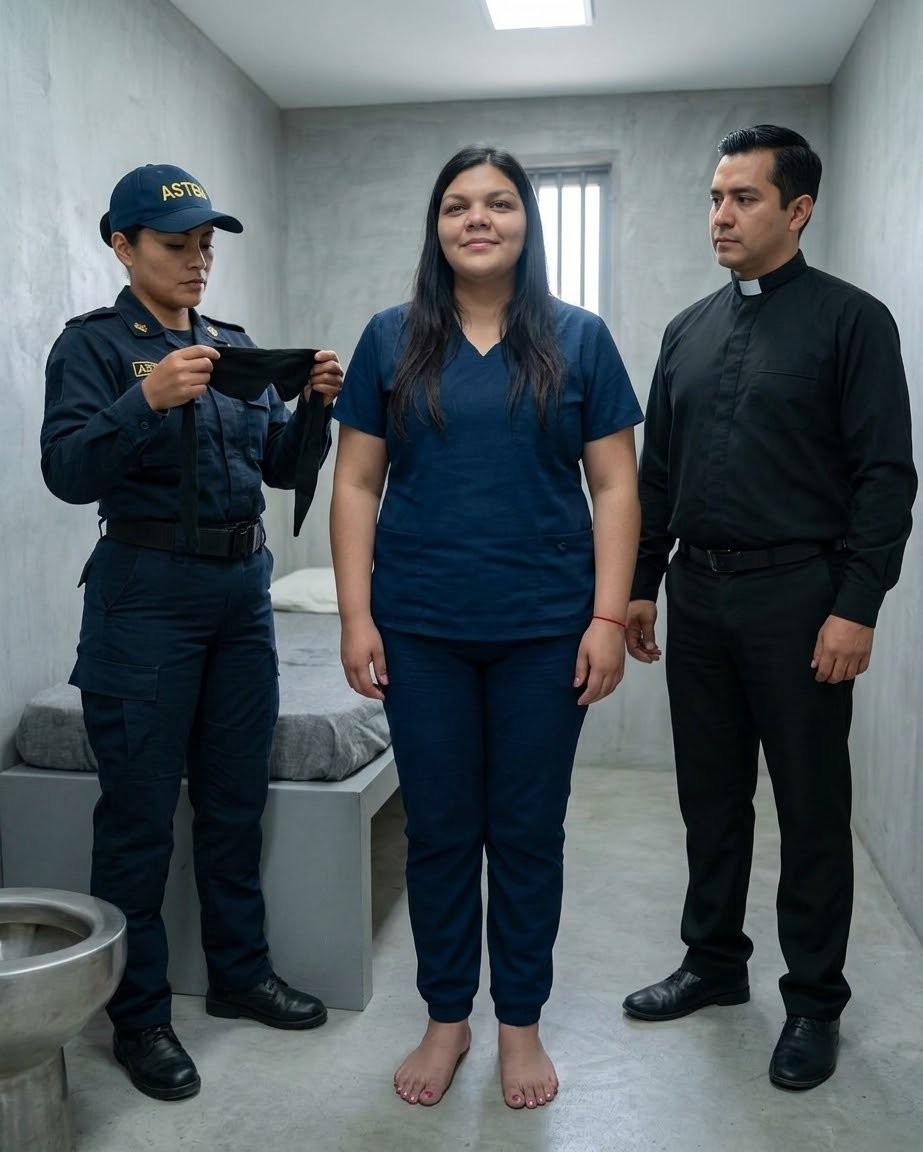
3. Reading of Rights and Witness Presence Protocol
- Image Description: The inmate, standing in the center of her cell and barefoot, is flanked by a custody officer holding a black blindfold and by a Catholic priest with a black clerical collar, in a moment of prior spiritual assistance.
- Dr. Clara María Saldívar's Perspective: The right to ministerial assistance and the regulatory preparations prior to final transfer are fulfilled. Anatomically, her posture is upright; postural muscle tone is maintained by the antigravity muscles of the spine and lower extremities.
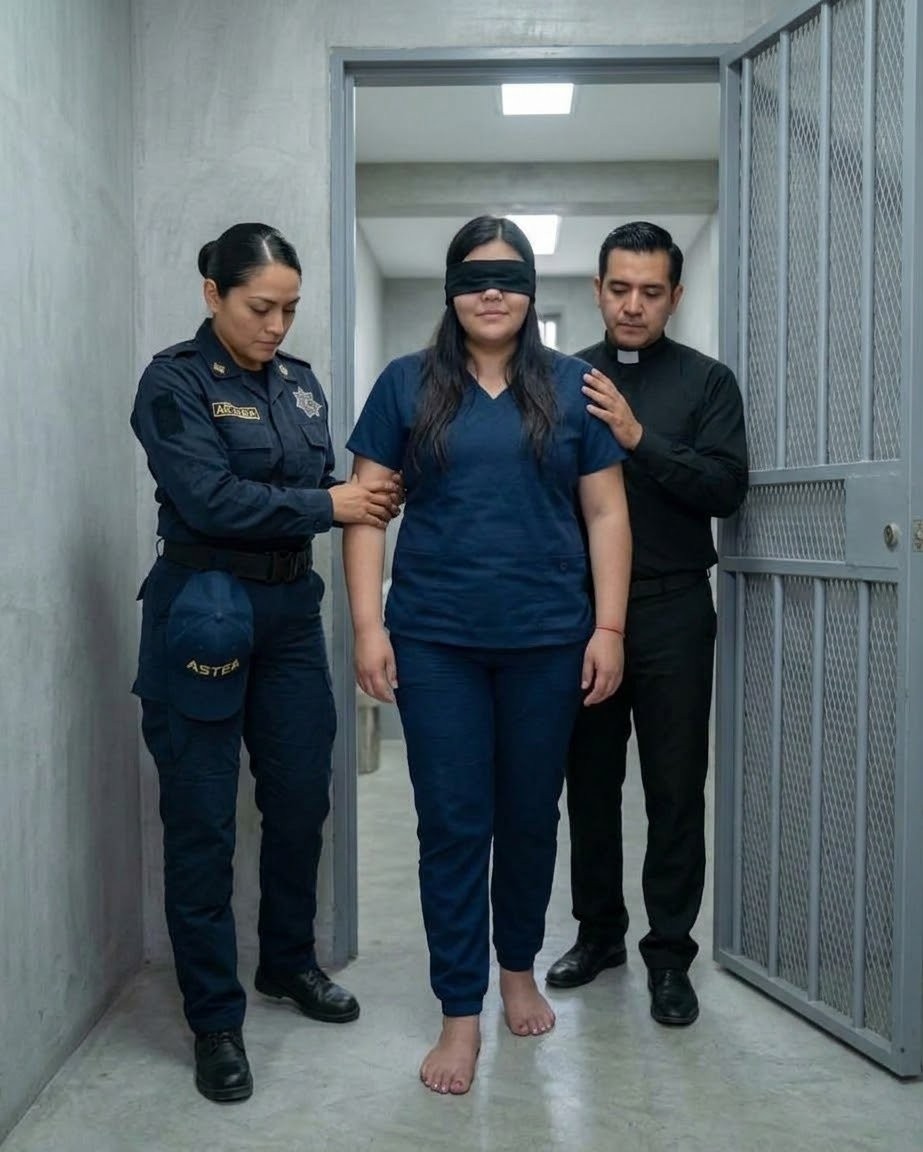
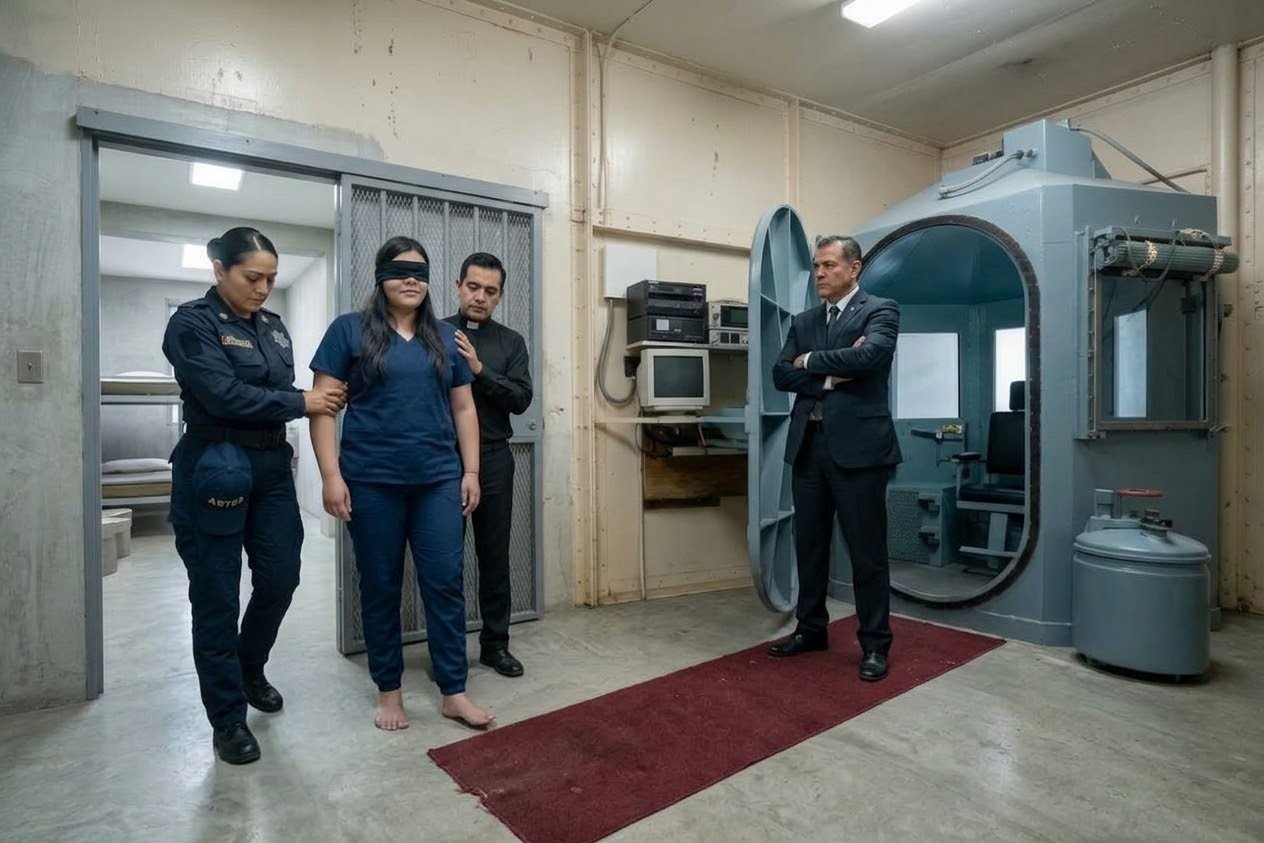
4. Escorted Transfer Toward the Chamber Corridor
- Image Description: The inmate walks down the facility hallway with her eyes already blindfolded, supported by her right arm by the custody officer and accompanied closely by the priest, who rests a hand on her shoulder to guide her steps.
- Dr. Clara María Saldívar's Perspective: We evaluate walking under visual deprivation. The absence of vision temporarily alters the vestibular system and proprioception, making the physical support of the escort essential to prevent falls or stumbles along the path to the hermetic enclosure.
5. Entry into the Gas Chamber Anterochamber Area
- Image Description: The transfer entourage arrives in front of the main access of the gas chamber. The officer and the priest guide the barefoot inmate toward the hatch, while in the background a high-ranking officer in formal attire is seen observing the procedure.
- Dr. Clara María Saldívar's Perspective: From the threshold of the airlock, I supervise the transit to the controlled-atmosphere zone. The inmate's initial vital signs remain stable due to the moderate release of adrenaline and cortisol typical of the acute stress adaptation response.
6. Approach and Positioning Inside the Chamber
- Image Description: The custody officer assists Dr. De La Fuente in stepping up the small step and passing through the circular steel frame to enter the interior of the hermetic gas chamber.
- Dr. Clara María Saldívar's Perspective: I verify that the spatial transfer occurs without physical resistance. Gross motor coordination for elevating the lower extremities demonstrates the integrity of the pyramidal and extrapyramidal pathways at this moment prior to isolation.
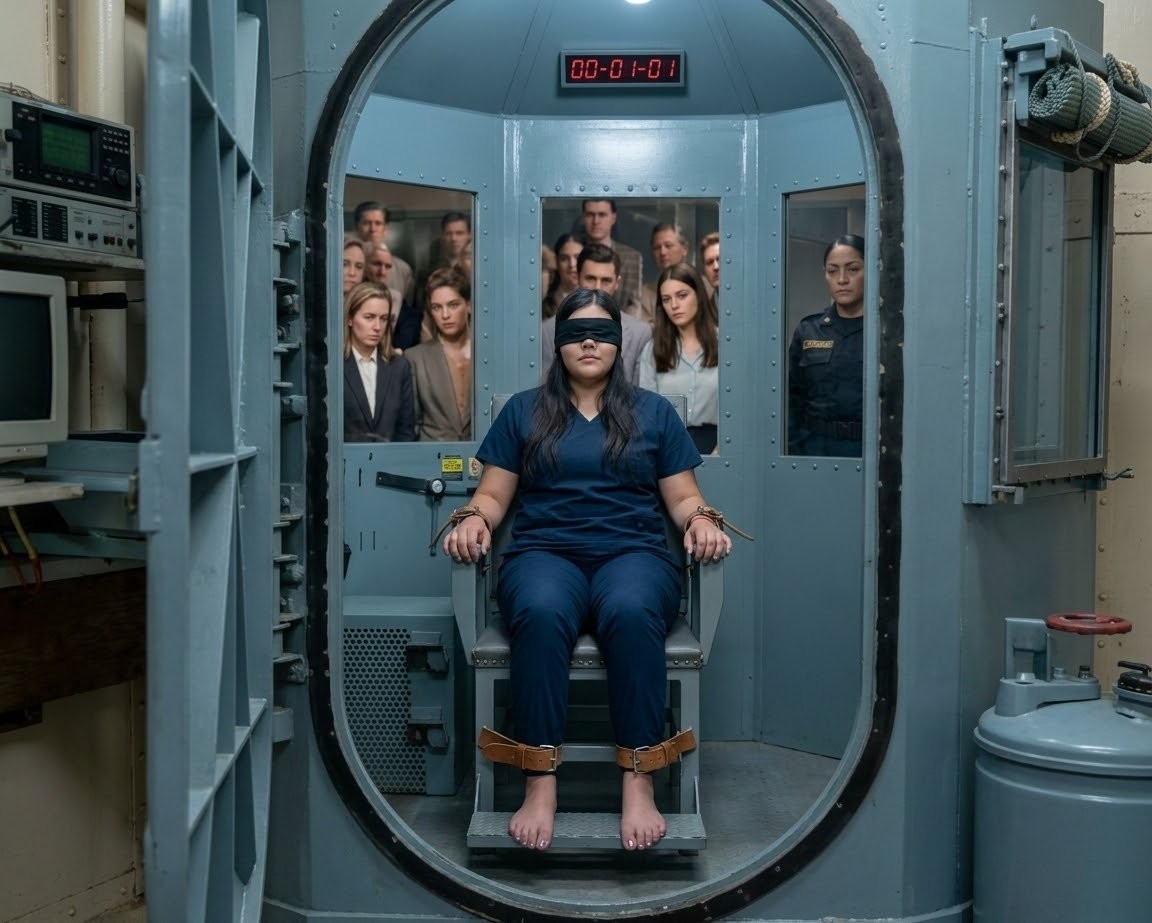
7. Definitive Location and Immobilization Inside
- Image Description: Frontal view from inside the gas chamber. The inmate is now seated in the steel chair, with her hands secured to the armrests by straps and the exterior viewer showing witnesses gathered in the observation room through bulletproof glass.
- Dr. Clara María Saldívar's Perspective: I check the correct adjustment of the mechanical restraints on the wrists and ankles to prevent violent spasmodic movements during the intoxication phase. The digital stopwatch at the top marks the formal start of the protocol's countdown.
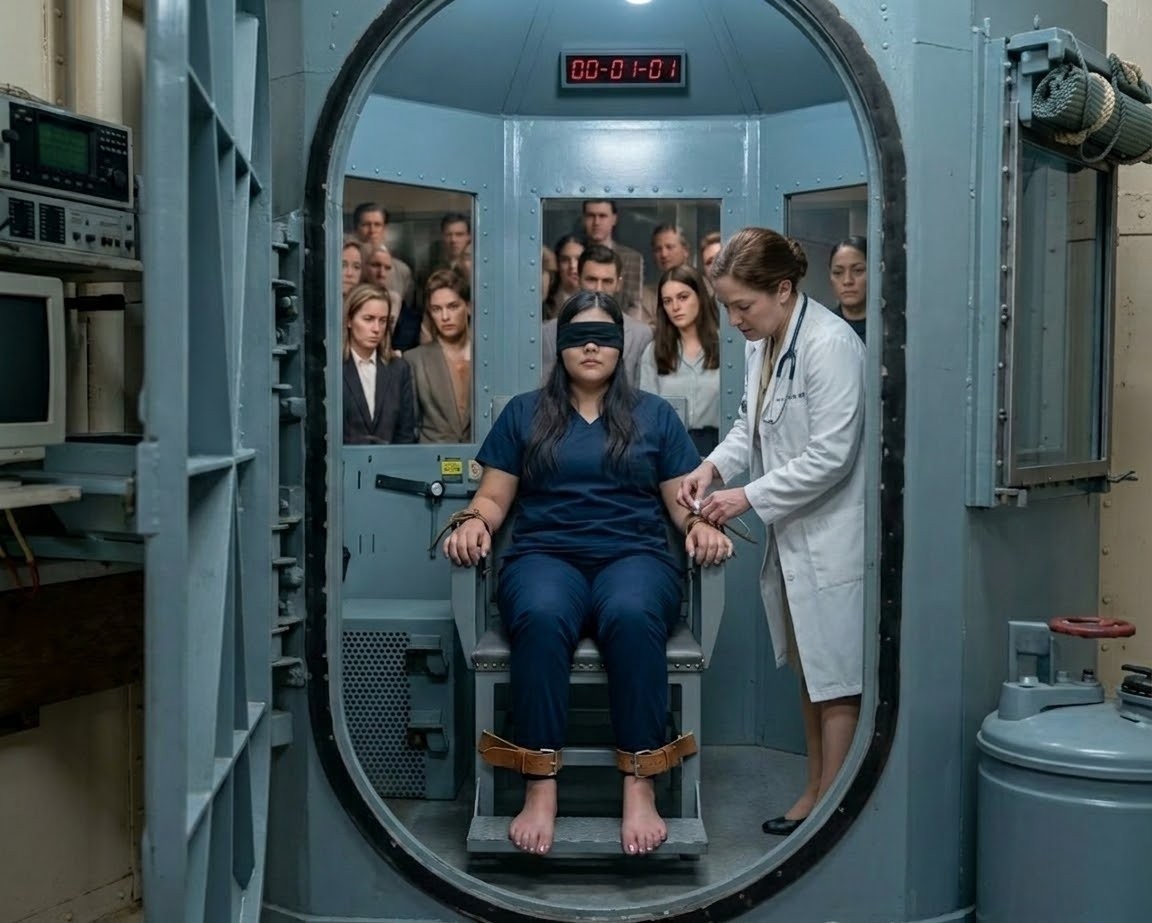
8. Medical Preparation and Control Vascular Access
- Image Description: A doctor from the facility's medical team, wearing a white coat and stethoscope, enters the gas chamber to perform a final check of the restraint points and accesses on the inmate's forearms.
- Dr. Clara María Saldívar's Perspective: I directly supervise this intervention to ensure that the medical protocol remains strictly within the ethical margins of verification and expert control, ensuring no anomalous manipulation of the containment equipment.
9. Final Sealing and Hermetic Isolation Verification
- Image Description: Frontal view of the inmate completely immobilized in the chair inside the chamber, with the main hatch closed and the faces of witnesses and officers reflected in the side and lower glass panels.
- Dr. Clara María Saldívar's Perspective: I give technical authorization for the final hermetic closure of the pressure door. The exhaust and pneumatic sealing systems act to ensure there is no leakage outside the ASTEN complex.
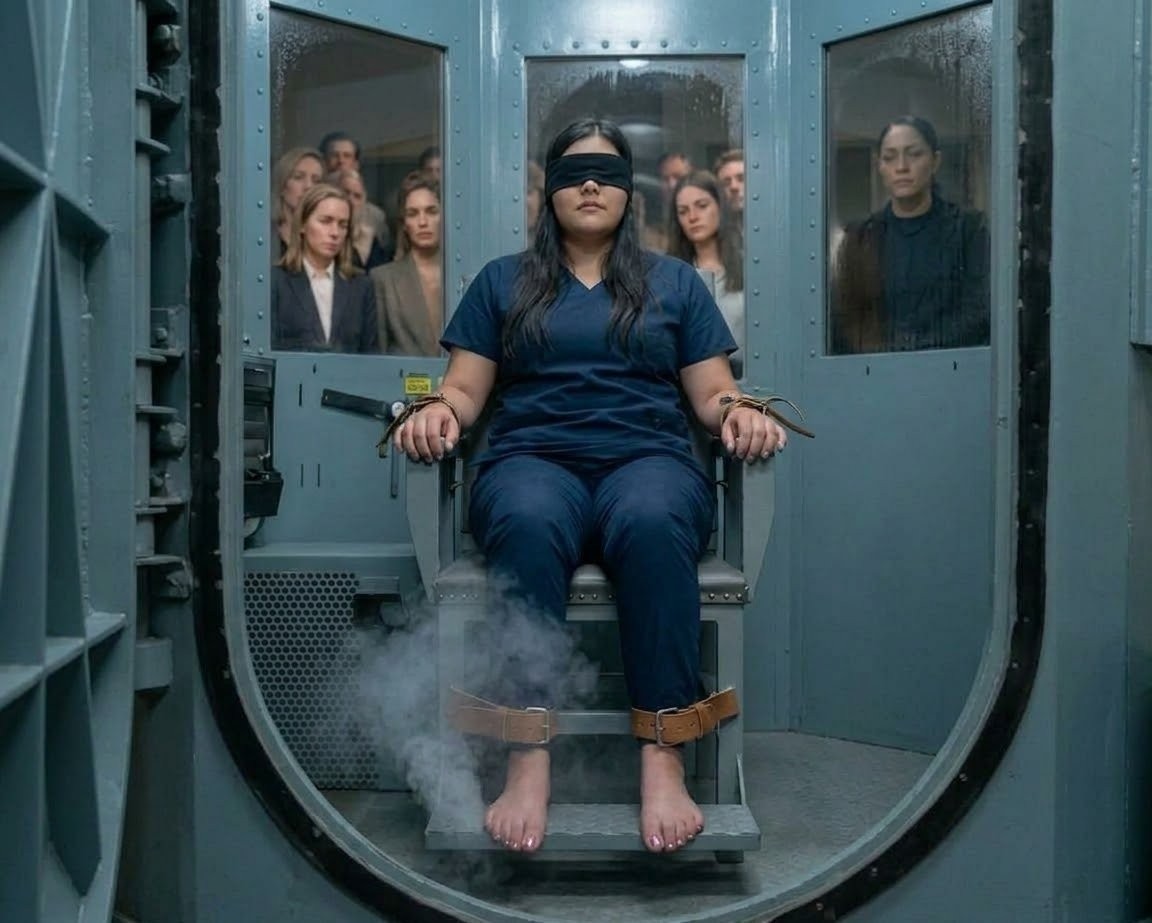
10. Threshold of the Chamber and Initial Containment
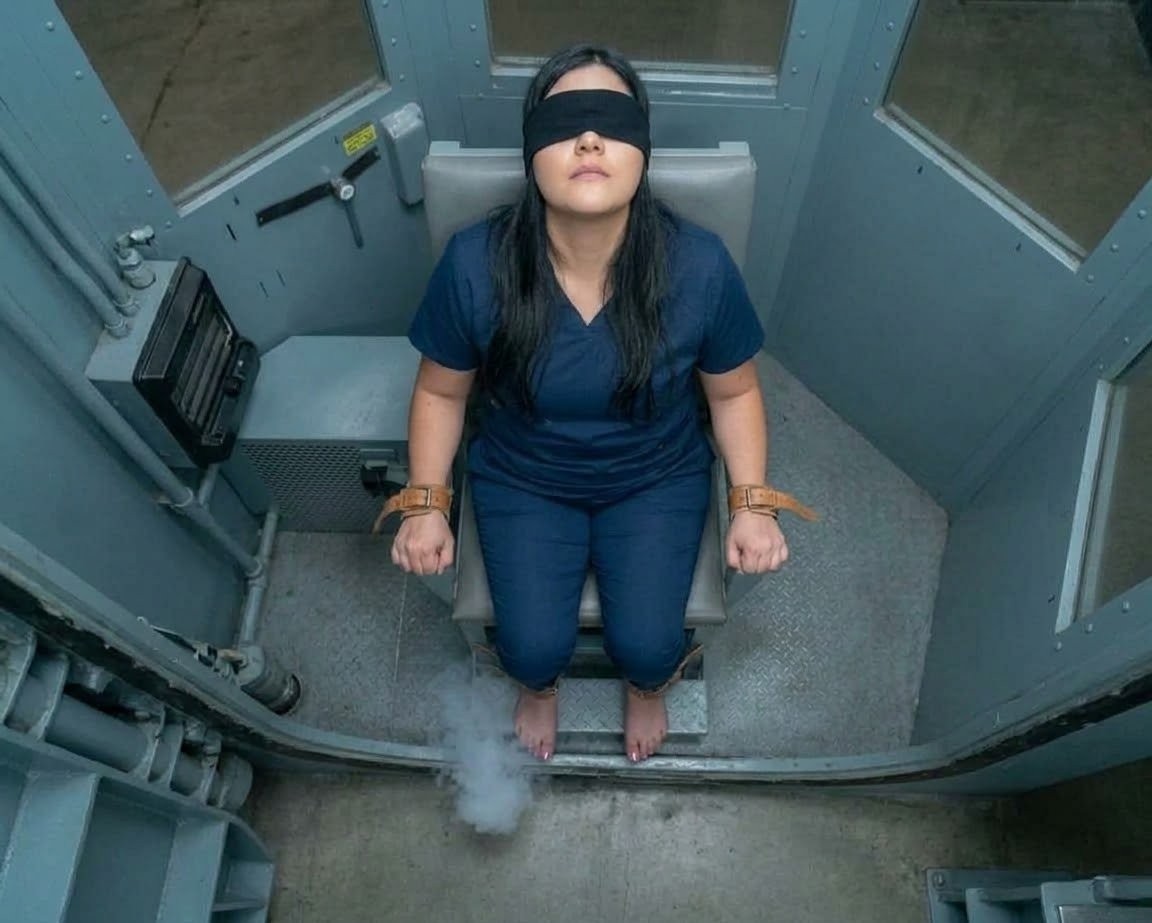
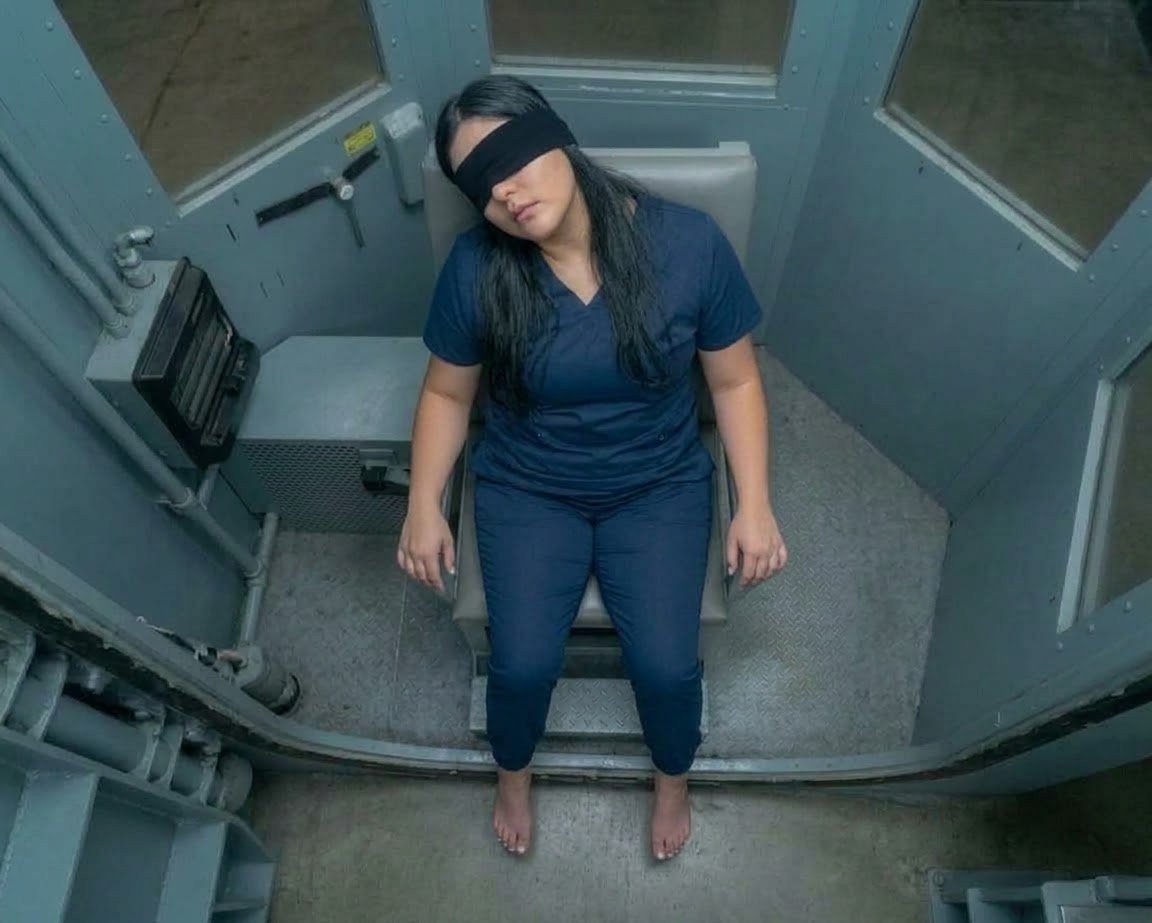
- Image Description: Dr. De La Fuente remains firmly immobilized in the galvanized steel chair inside the gas chamber. She wears her navy blue surgical scrubs, her eyes are bound with an opaque fabric blindfold, and her wrists and ankles are secured with high-resistance leather straps. At her feet, the first wisps of cold vapor begin to descend toward the lower grille.
- Dr. Clara María Saldívar's Perspective: From the external observation panel, I verify the integrity of the mechanical restraints. Anatomically, the inmate maintains a tense muscle tone; the myotatic reflex in the lower extremities is evident upon contact with the cold metal floor. Legally, the process complies with the rigor of the custody transfer under the ASTEN inter-state agreement. I verify that the main hatch's hermetic sealing system is operating at 100% before the injection of chemical precursors.
11. Loss of Consciousness and Neurovegetative Collapse
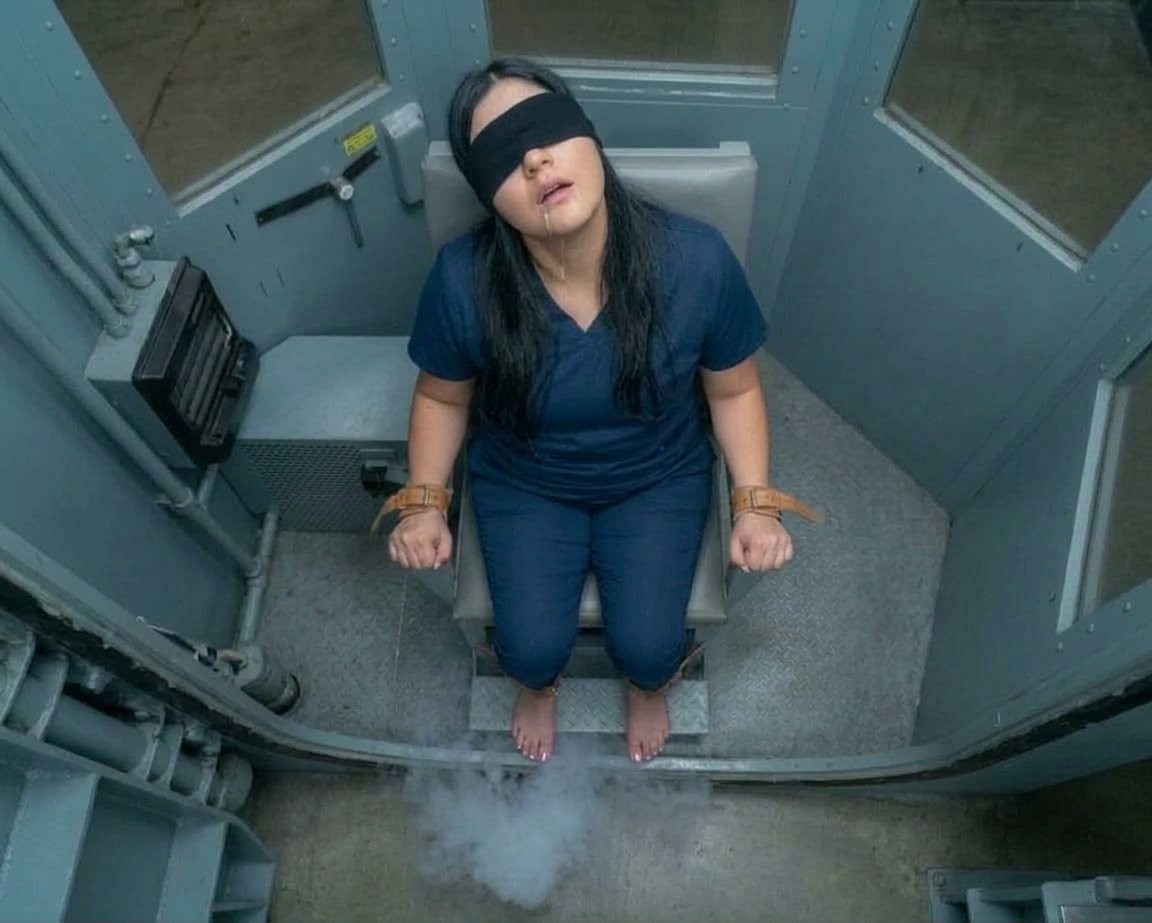
- Image Description: The inmate experiences involuntary mandibular relaxation with slight sialorrhea (salivation) while the dark blindfold remains adjusted and her head tilts slightly backward due to the deactivation of cervical muscle tone.
- Dr. Clara María Saldívar's Perspective: Clinically, we are facing the collapse of the central nervous system. Cyanide irreversibly blocks cytochrome c oxidase in the mitochondrial chain, preventing oxidative phosphorylation. A fulminant anoxic state occurs in brain tissue. The relaxation of the pterygoid and masseter muscles explains the mouth opening and sialorrhea observed, marking the clinical transition toward deep coma and the cessation of consciousness.
12. General Tonic Relaxation and Cessation of Cortical Activity
- Image Description: Dr. De La Fuente's head drops sideways toward her right shoulder; her arms, previously tense, hang limp with a total loss of postural muscle tone in the shoulder girdle.
- Dr. Clara María Saldívar's Perspective: The absolute cessation of cortical bioelectrical activity (clinical brain death) is recorded. The trapezius and sternocleidomastoid muscles have lost all isometric contraction. Legally, at this point the inmate no longer perceives any stimulus; the procedure has achieved its primary lethal objective painlessly at a conscious level, in accordance with the bioethical and punitive standards of the ASTEN jurisdiction.
13. Forensic Verification and Certification of Death
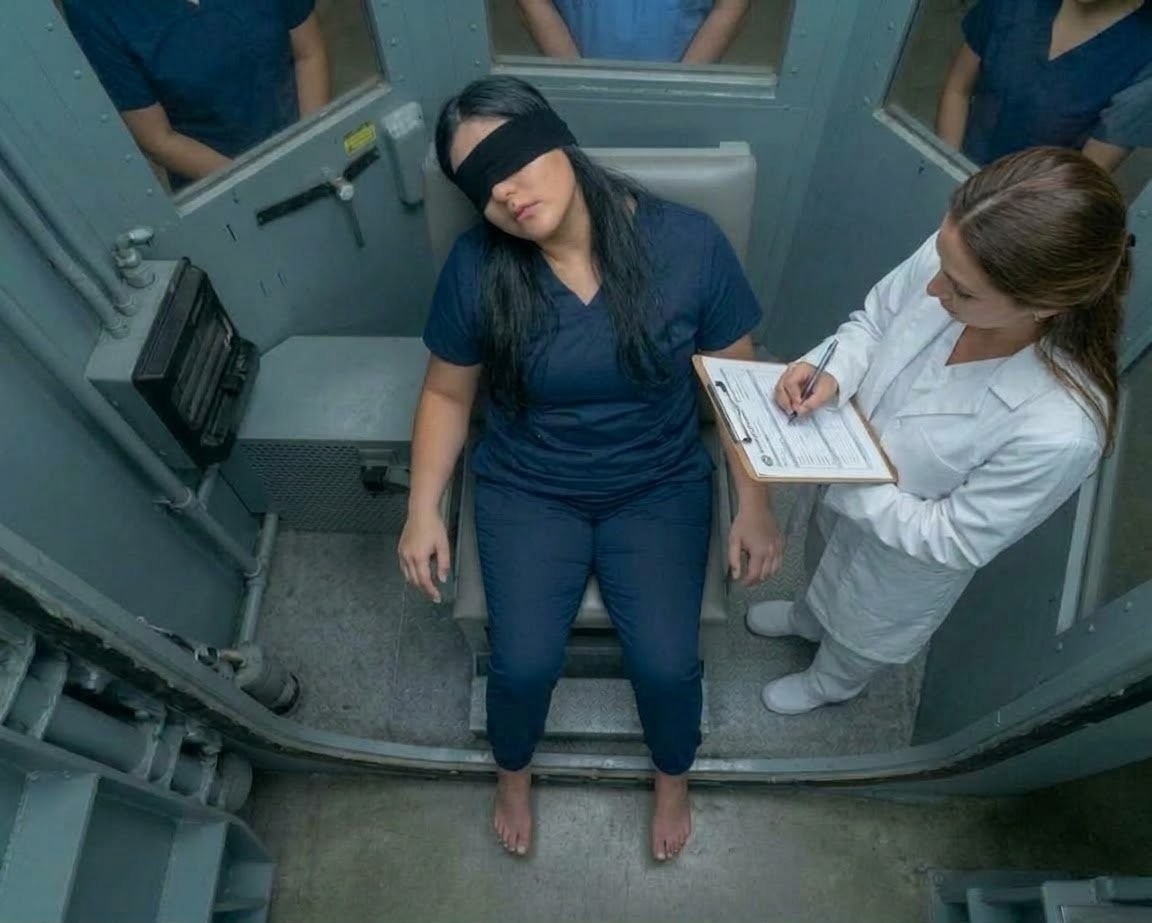
- Image Description: An external forensic doctor, in a white coat and holding a clipboard, enters the security perimeter to document the final vital signs and certify the biological state of the executed subject, under the watchful gaze of witnesses through the safety glass.
- Dr. Clara María Saldívar's Perspective: I authorize the ventilation and purging of the gas chamber. The medical colleague proceeds with the verification protocol: absence of bilateral pupillary light reflex, total abolition of carotid and femoral pulses, and a flat electrocardiographic tracing on the central monitor. I sign the final section of file 2026-08-GC: the executed subject has died due to cardiorespiratory arrest secondary to massive cytotoxic intoxication. The case of Dr. Julliana Marissa De La Fuente is officially closed and archived in the permanent records of the ASTEN Autonomous Zone.
14. Lower Anatomical Detail: Onset of Local Hypothermia
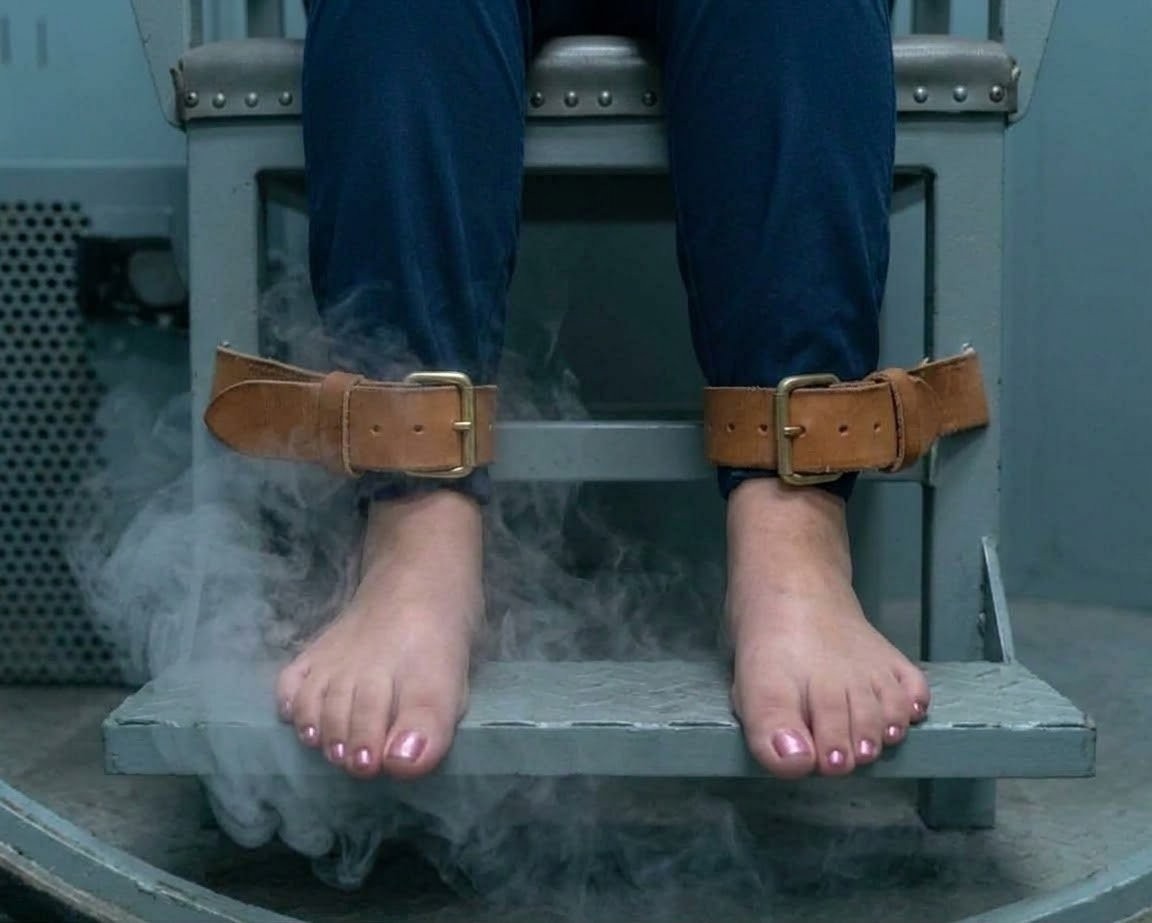
- Image Description: Close-up shot focused on the inmate's ankles, heavily pressed by leather straps over the scrub pants, exposing bare feet with light nail polish, while a dense vapor of inert gas and refrigerant envelops the lower platform.
- Dr. Clara María Saldívar's Perspective: Circulatorily, the abrupt drop in ambient temperature triggers immediate peripheral vasoconstriction in the metatarsals and toes. The cutaneous Meissner and Ruffini receptors record the cryogenic stimulus. From a forensic standpoint, this initial phase aims to hinder any violent tonic contraction reflex in the lower limbs through controlled tissue cooling.
15. Neuromuscular Response to the Cryogenic Stimulus
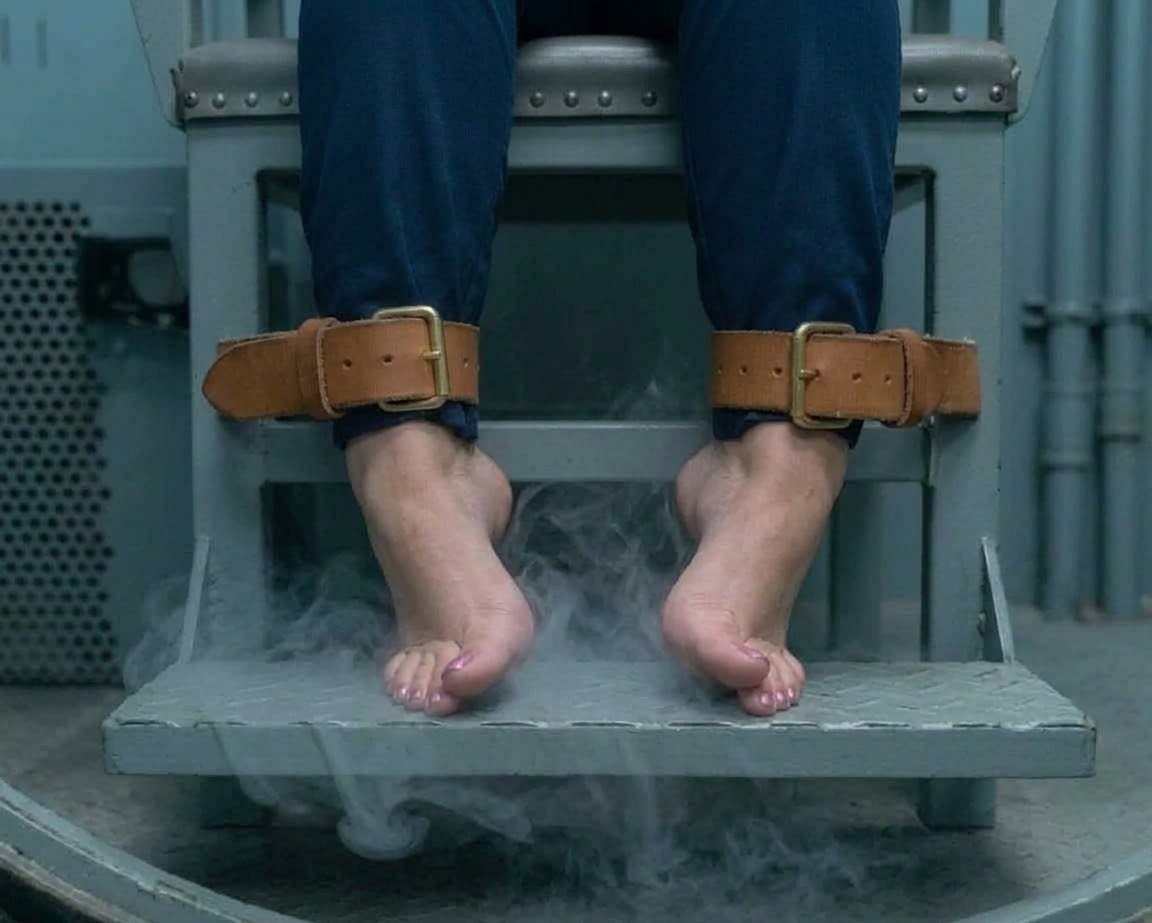
- Image Description: Continuous detail of the lower area showing an involuntary plantar flexion and marked contraction of the inmate's foot arches due to exposure to the gaseous agent densifying at floor level.
- Dr. Clara María Saldívar's Perspective: I observe a clear reflex muscle spasm: the gastrocnemius and soleus muscles enter a mild isometric tonic tension. The bone architecture of the tarsus and metatarsus experiences temporary rigidity induced by extreme cold. The ASTEN protocol requires monitoring these responses to document the perfect synchrony between the chamber's saturation and the peripheral nervous system's response.
16. Conclusion and Closing of the Expert Execution Record
- Image Description: Final shot of the gas chamber after purging the chemical agents and stabilizing the enclosure, reflecting the completion of the judicial proceeding in accordance with the international protocols of the ASTEN Autonomous Zone.
- Dr. Clara María Saldívar's Perspective: With the collection of final biometric data and the signing of the forensic death certificate, the legal intervention concludes. All evidentiary elements and chains of custody for this process are safeguarded under the highest standards of institutional confidentiality.