
The trial of 23-year-old online creator Amy Lee Rose began August 19, 2026, inside a high-security federal courthouse, where prosecutors presented financial records, private messages and account data they claim reveal a deliberate pattern of fraud. Rose also shared a personal account of her life in custody and her fear that she may never regain her freedom.
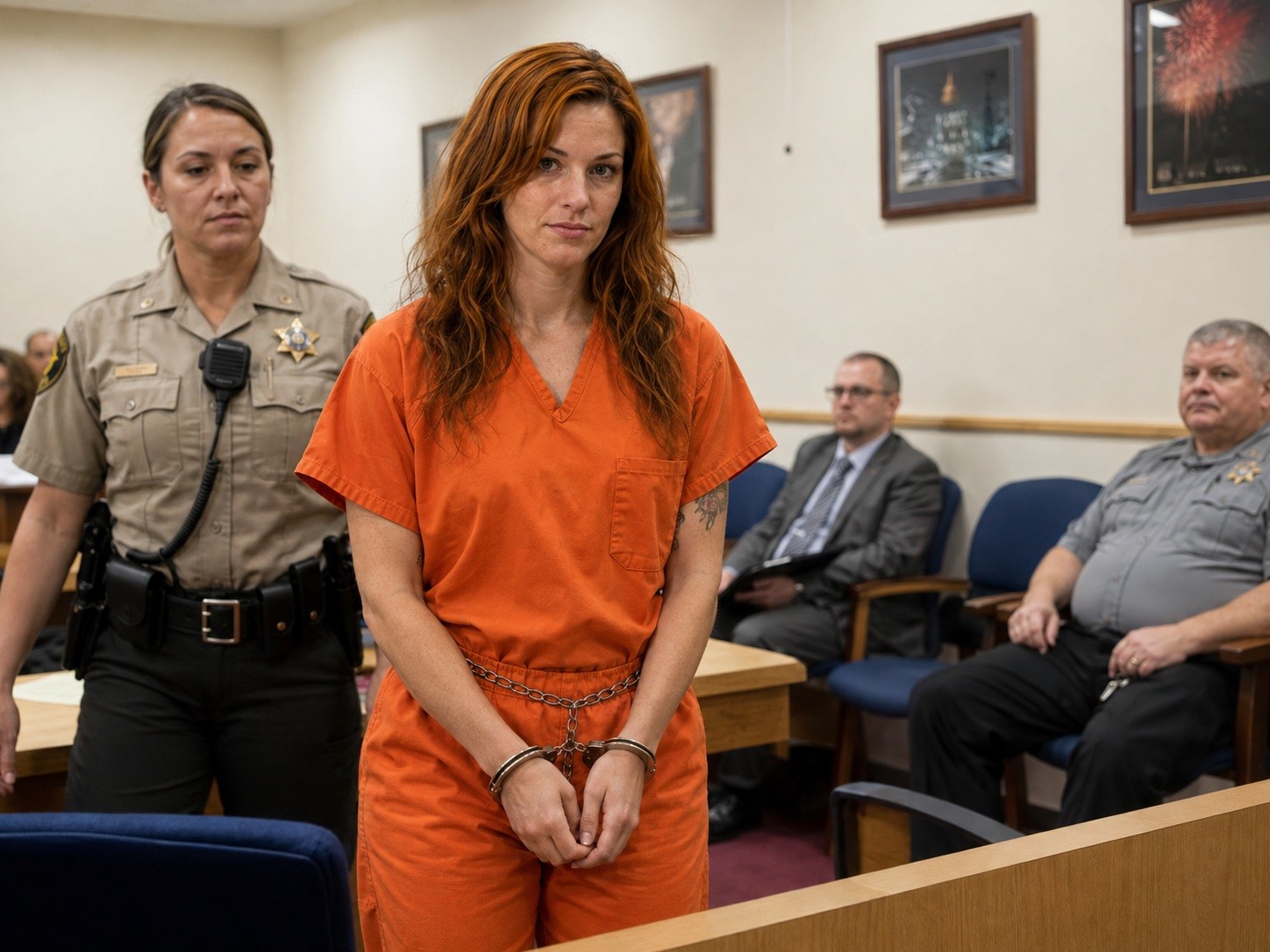
Rose entered the courtroom wearing prison-issued clothing and remained seated beside her attorneys as the government delivered its opening statement. Security officers stood near every entrance, while members of the public and press filled the limited gallery.
Prosecutors told jurors that Rose used her online profile and relationships with other creators to solicit payments, gain access to accounts and control revenue that did not belong to her. They argued that the alleged misconduct was not a series of failed business arrangements, but a coordinated effort supported by digital records.
The defense rejected that characterization, describing Rose as an inexperienced young creator whose disorganized business dealings had been turned into a federal criminal case.
Rose Describes Life Behind Bars
In a personal statement heard by the court, Rose spoke about the emotional strain of incarceration and the uncertainty surrounding her future.
“I have nights where I wake up convinced I’m never going to see the outside again,” Rose said. “For a few seconds, I forget where I am. Then I see the walls and hear the doors, and it all comes back.”
Rose said life in custody had reduced her world to a rigid cycle of counts, meals, searches and court appearances.
“You stop thinking about next month or next year,” she said. “You think about making it through the next count, the next locked door and the next night without another bad dream.”
She also described messages received through the prison pen-pal system as an important source of emotional support.
“Sometimes a message from somebody outside is the only thing that makes one day feel different from another,” Rose told the court. “It reminds me that there are still people living ordinary lives who remember I exist. That keeps me going more than they probably understand.”
Rose acknowledged the seriousness of the charges but urged the jury to consider her as a person rather than as the image created by headlines and social-media commentary.
“I know people have already decided who I am from a photograph, a rumor or something posted online,” she said. “I’m asking to be judged on what can actually be proved in this courtroom.”
Prosecutors Outline the Digital Trail
The government’s initial evidence included payment histories, subscriber conversations, account-login records and internal messages involving Rose and several other online creators.
According to prosecutors, some customers paid Rose for content or promotional services that were never delivered. Other records allegedly show revenue being redirected from accounts belonging to smaller creators.
Jurors were shown a timeline connecting private messages with payments made shortly afterward. Prosecutors argued that the timing demonstrated Rose knowingly made promises to obtain money.
The government also introduced records of cryptocurrency transfers linked to investment offers Rose allegedly promoted to followers. Investigators claim some of the money was moved through several digital wallets before being converted or transferred again.
An FBI digital-forensics specialist testified that devices seized during the investigation contained account credentials, draft messages and fragments of deleted conversations. Prosecutors said metadata connected some of those records to locations and devices associated with Rose.
The defense emphasized that device access alone does not establish who wrote a message or authorized a transaction. Rose’s attorneys noted that multiple people reportedly helped manage her accounts and that passwords were routinely shared within the creator network.
“A login is not a confession,” one defense attorney told jurors. “An account associated with Amy Rose was accessed. The government must still prove that she was the person behind every message, every decision and every transfer.”
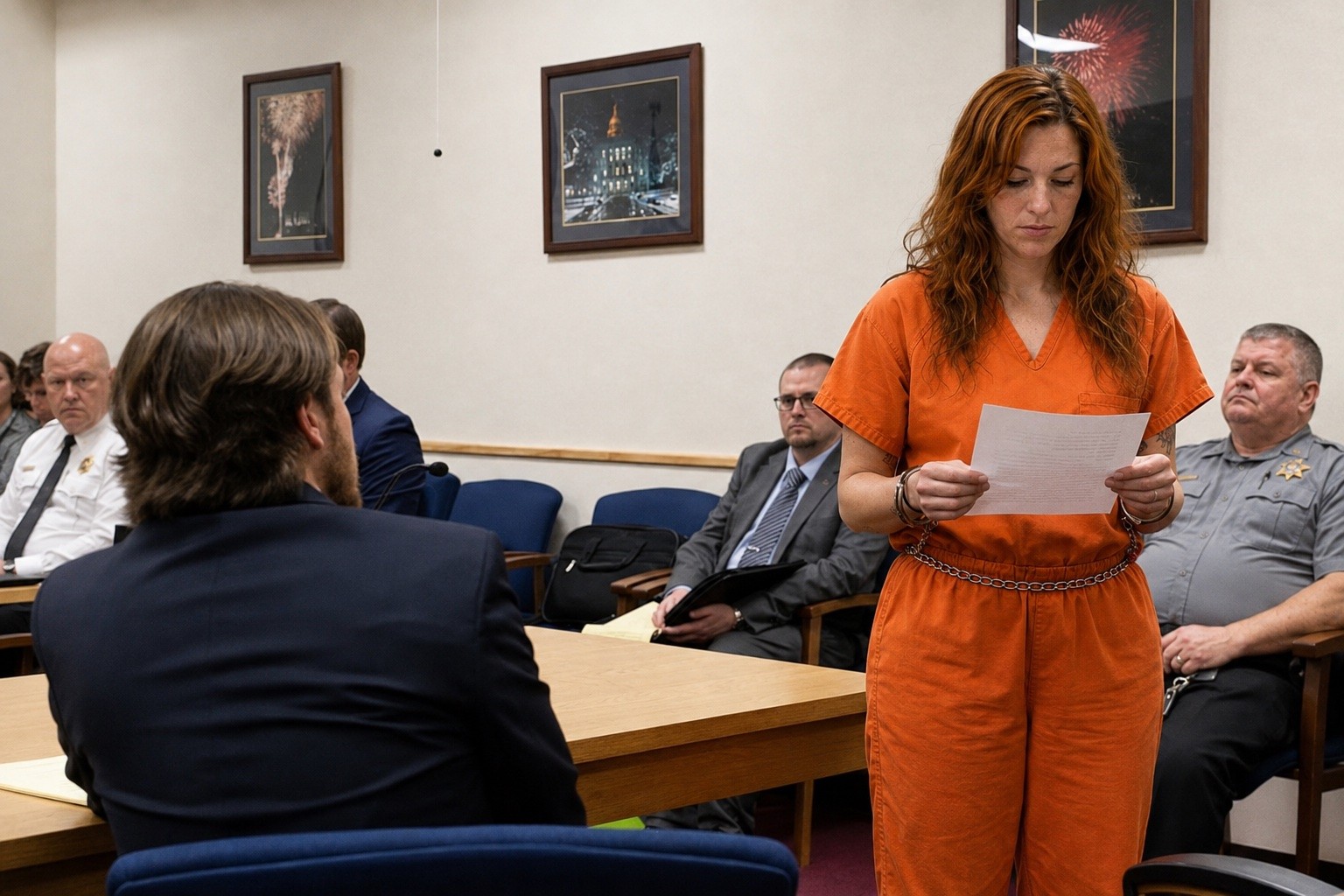
Defense Challenges Fraud Claims
Rose’s legal team portrayed the disputed payments as the result of informal agreements, poor recordkeeping and online collaborations that collapsed.
The defense argued that creators frequently shared access to accounts, edited content for one another and divided revenue without formal contracts. That environment, attorneys said, made the financial records appear more conclusive than they were.
They also accused investigators of selecting messages that supported the prosecution’s theory while ignoring conversations showing confusion, disagreements and attempts to repay money.
Regarding the alleged cryptocurrency scheme, the defense maintained that Rose repeated claims made by others and did not create or control the investment operation.
Wider Investigation Remains in the Background
Although authorities continue to investigate possible coercion, blackmail and trafficking within a broader creator network, the judge warned both sides against introducing allegations that are not directly connected to the charges before the jury.
The separate investigation into the death of creator Sarah Kearney was not discussed in detail during the first day. Rose has not been charged with causing Kearney’s death, and the court instructed jurors not to consider online speculation as evidence.
Proceedings are expected to continue with testimony from former collaborators, subscribers and financial investigators. The prosecution is also expected to introduce additional communications recovered from cloud accounts and seized electronic devices.
For Rose, the first day ended much as it began: surrounded by attorneys and security officers, with an uncertain future ahead.
Before being escorted from the courtroom, she briefly turned toward the public gallery.
“I don’t know how long this is going to take or what happens when it’s over,” Rose had told the court earlier. “I just want the truth to matter more than the story people have already written about me.”