
NASHVILLE, Tenn. — Nearly a year after a jury convicted Emily Carter of five counts of first-degree murder in the Riverside High School attack, the 19-year-old remains on death row while her attorneys continue challenging the conviction and sentence.
Carter was sentenced to death on September 29, 2025, following a three-week trial that attracted national attention because of the severity of the attack, her age, and the stark contrast between the allegations and her previous reputation as an accomplished student and debate-team captain.
She has never admitted responsibility.
As the anniversary of her sentencing approaches, Carter's case remains unresolved in the appellate courts, with both sides continuing to defend fundamentally different interpretations of the evidence presented at trial.
A Conviction Carter Has Never Accepted
From the beginning of the investigation, Carter has maintained that she did not plan or carry out the attack.
That position did not change during the three-week trial.
When she eventually testified in her own defense, Carter denied deliberately preparing for the killings and rejected the prosecution's characterization of her communications, searches and activities before the attack. Her defense argued that investigators had interpreted otherwise ordinary information as evidence of preparation after Carter had already become their primary suspect.
Prosecutors presented a different account, telling jurors that the combined evidence demonstrated deliberate planning and preparation.
After deliberating, the jury rejected the defense's explanation and returned guilty verdicts on all five murder counts as well as the other major charges.
Carter has continued to maintain that the verdict was wrong.
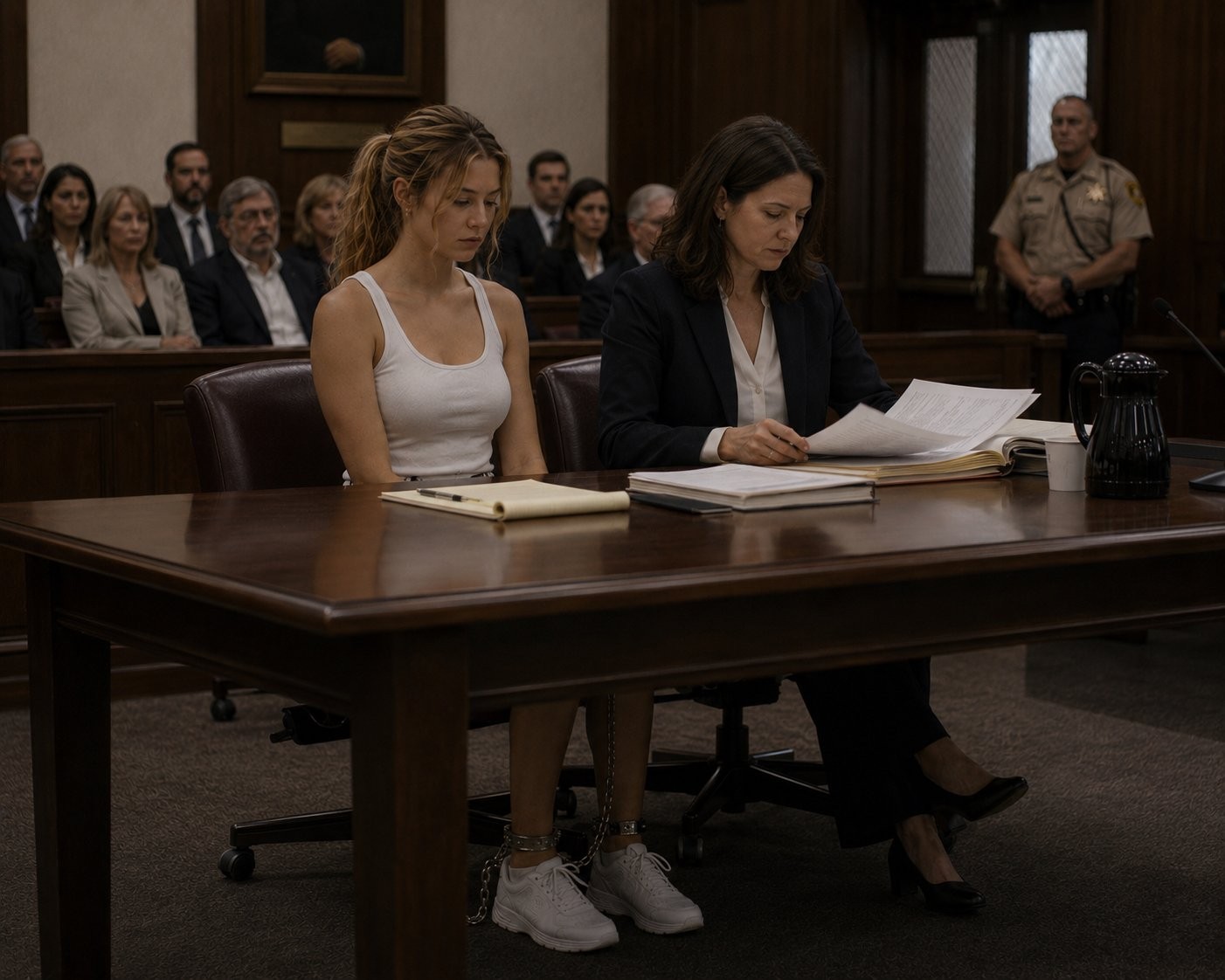
The Case After the Verdict
The months following sentencing have been dominated by appellate proceedings rather than new criminal investigations.
Carter's attorneys have challenged portions of the prosecution's digital evidence, questioned aspects of the forensic case, and raised broader arguments concerning the interpretation of evidence presented to the jury.
Prosecutors have opposed those challenges, arguing that the trial record contains substantial evidence supporting the convictions.
No appellate court has overturned the verdict.
Because the nation's capital cases receive mandatory review, the case has continued moving through the judicial system even while Carter remains incarcerated.

A Young Defendant at the Center of a National Debate
Carter's age has remained one of the most contentious aspects of the case. She had turned 18 only weeks before the attack and was still a high school senior when the killings occurred. By the time she was sentenced, she had become one of the youngest people in the nation's modern history to receive a death sentence.
Supporters of the sentence argue that age cannot erase the scale of the crime or the suffering of the victims' families.
Opponents point to Carter's youth, lack of previous criminal history, and continued questions surrounding the interpretation of evidence.
The debate has extended well beyond the courtroom.
Legal scholars have appeared on television programs discussing the case, while advocacy organizations on both sides of capital punishment have cited Carter as an example in their arguments.
The Families on Opposite Sides of the Case
For the families of the victims, the conviction remains an important acknowledgment of what they believe happened at Riverside High School. Several families have publicly supported the death sentence and have urged the courts not to delay its enforcement indefinitely.
Carter's parents, meanwhile, have continued to maintain their daughter's innocence. They have attended court proceedings and maintained regular contact with her at the Appalachian Detention Complex.
The two families have rarely spoken publicly about one another.
Their sharply different positions have become one of the quieter but most enduring features of the case.
A Reputation That Still Shapes the Debate
Before March 2025, Carter was known primarily for her academic achievements.
Former teachers have described her as disciplined and unusually reserved. She was an honor-roll student and captain of the school's debate team, and classmates had expected her to graduate and attend college.
Those memories have remained central to public discussions of the case. Photographs from her final year of high school continue to circulate whenever major developments occur.
For some observers, they illustrate the extraordinary transformation of a young woman's life.
For others, they demonstrate only how little a person's public reputation can reveal about what may happen behind closed doors.

No Execution Date Has Been Set
Despite the continuing attention surrounding the case, prison officials emphasize that Carter remains in the same legal position she has occupied since her sentencing. No execution warrant has been issued, and no execution date has been announced. Under the nation's procedures, the death sentence cannot proceed until the required appellate and post-conviction stages have been completed or otherwise authorized by law.
A Department of Corrections spokesperson declined to comment on the expected timing of those proceedings.
Carter therefore remains at the Appalachian Detention Complex while her attorneys continue their legal efforts.