

Today the Investigative Desk brings you part two of our exclusive series about Miss Rosie Costley, a young woman who made a mistake that she is about to pay for with her life.
Interview with Miss Rosie Costley
Conducted July 27, 2026 – Four Days Before Scheduled Execution
The visiting booth is narrow, divided by thick reinforced glass and a metal grille. The air smells of disinfectant and old concrete. On the other side sits Inmate #GC519249, Rosie Costley, twenty-one years old, five-foot-three, one hundred pounds. She wears an oversized orange jumpsuit that makes her look even smaller. Her warm brown hair is pulled back in a loose, slightly messy knot. Semi-rimless copper glasses sit on her nose. A small stud glints in her right nostril. Her hazel eyes—sometimes green, sometimes amber depending on the light—are red-rimmed. She has been crying, quietly, for some time.
She offers the same gentle, accommodating smile she once used on lost freshmen in the university library. It does not reach her eyes.
The Investigative Desk: Thank you for agreeing to speak with us, Miss Costley. We know time is limited. How are you holding up today?
Rosie Costley: (softly, voice steady but thin) I’m… here. That’s the honest answer. I’m still here. Four days. I keep counting them like they’re something I can organize on a shelf. Monday, Tuesday, Wednesday, Thursday. Then Friday. I keep thinking if I just arrange the days carefully enough, maybe someone will notice the mistake and take one back.
I’m glad you came. Really. Most people don’t. The chaplain comes. The guards come to check the count. But almost no one sits down and asks me questions like I’m still a person who might have answers. So thank you. Please—write it down carefully. Tell them exactly what I say. Don’t clean it up. Don’t make me sound braver or more broken than I am. Just… tell them.
The Investigative Desk: You maintain that you are innocent of the charge of treason. Can you walk us through what happened the day you were arrested?
Rosie: Yes. I will say it as many times as anyone will listen. I did not commit treason. I did not try to access anything I wasn’t supposed to. I was doing my job.
It was a normal Thursday afternoon in the library. We were short-staffed. A graduate student needed materials from a database we use for interlibrary loan and rare-document tracking. The system has different permission levels—public catalog, staff catalog, restricted research archives. I had staff access. I’d had it for months. I logged in the way I always logged in. I typed the title the student needed. The screen froze for a second, then opened a different set of files. Government ones. Classified markings I didn’t even understand at first. I stared at them for maybe ten seconds—long enough to realize something was wrong—and I closed the window. I logged out. I told my supervisor immediately. I said, “Something just happened that shouldn’t have.”
That night they came to my apartment. Three officers. They didn’t knock hard; they just stood there with the warrant. I was in the middle of cooking dinner—salmon and asparagus, the good kind I could finally afford. The apartment smelled like garlic and lemon. They let me turn off the stove. I asked if I could put the food away so it wouldn’t spoil. They said no. I asked if I could take my book. They said no. I was still wearing my library badge when they put the handcuffs on.
I told them over and over it was an accident. System glitch, mis-permission, something. They didn’t listen. The tribunal lasted less than two hours. No real discovery. No independent expert to look at the access logs. They showed a screenshot of the files on my screen and that was enough. Treason. Death. I kept saying the same sentence: “I didn’t mean to. I closed it as soon as I saw.” It didn’t matter. The judge—he didn’t even look tired. He just read the sentence like he was reading the weather.
I am innocent. I need the world to know that. Please. If nothing else comes of this interview, put those three words in bold somewhere: Rosie Costley is innocent.

The face of a traitor? Legally, yes. But Rosie's supporters aren't convinced.
The Investigative Desk: The tribunal moved very quickly. Have you had any meaningful chance to appeal or request clemency?
Rosie: (a small, almost apologetic laugh) Appeal? In this system? The forms are there. I filled them out. My court-appointed attorney—he was kind, but he had seventeen other capital cases. He told me the odds. He said the tribunal’s finding of “willful unauthorized access to protected state information” carries a mandatory capital specification when the files are above a certain classification. Accident doesn’t override the classification level. Intent is… secondary.
I’ve written letters. To the governor’s office, to human-rights groups, to the university library association, to anyone whose address I could remember. Most of the letters come back unopened or with a form reply. One organization said they were “monitoring the case.” Monitoring. Like I’m a temperature gauge. But one or two people have written to me, and they tell me they're fighting for me. And you're here, and you believe me. (Her lip wobbles slightly, but she looks at me with the tiniest amount of hope in her eyes.)
I keep thinking about the access logs. Someone must have them. The exact timestamp, the IP, the permission token that was active that day. If someone competent looked, they would see it was a permission error upstream, not me forcing a door open. But no one has looked. Or if they have, they decided it doesn’t matter.I’m not asking for special treatment. I’m asking for the ordinary thing: that the truth be checked before a person is erased.
The Investigative Desk: You’re scheduled for lethal injection on July 31. You have a documented severe phobia of needles. How are you managing that knowledge right now?
Rosie: (she is quiet for a long moment. Her hands are folded tightly in her lap. When she speaks again her voice is lower.)
I have been afraid of needles my whole life. Not the ordinary nervousness people have. Panic. The kind that makes your vision tunnel and your heart try to climb out of your throat. When I was twelve I had to get a blood test and they had to hold me down. I bit someone. I still feel ashamed about that. Afterward I made a rule for myself: never again. I managed every illness at home. I researched natural remedies like they were rare manuscripts. I avoided doctors the way some people avoid heights.
Now the state is going to use the exact thing that terrifies me most as the instrument of my death. They will strap me down—arms out, like a cross, the way the article described—and they will look for a vein. I’m small. My veins are not easy. They will poke and dig and try again. I will be awake for most of it. I know the protocol. Twenty to thirty minutes from start to finish if things go smoothly. Longer if they don’t. I will feel the cold of the first drug. I will know what is coming.
I practice breathing the way I used to practice cataloging. In for four, hold for four, out for six. It helps for about thirty seconds. Then the image comes back: the needle, the tape, the audience behind the glass. My body remembers the helplessness from childhood medical rooms and multiplies it by a thousand.
I asked if there was any other method available. Hanging, electrocution, even the guillotine they keep for certain federal cases. They said the warrant specifies lethal injection and that is final. I understand the efficiency argument. I just… I wish efficiency could make room for mercy when the method itself is a form of torture for the particular person receiving it.
I am trying not to hate the people who will do it. They are doing a job. But I am allowed to be terrified. I am allowed to say that this particular death is uniquely cruel for me.

The Investigative Desk: Tell us about your daily life on death row these past days.
Rosie: The cell is small and clean. That is the one kindness. Everything has a place. The bed is bolted down. The toilet is stainless steel. There is a narrow window high up that shows a slice of sky and sometimes a bit of the outer fence. I keep the space neat the way I kept my apartment neat. Folded blanket. Books aligned on the shelf they allow me—three paperbacks at a time from the prison library. Right now I have a history of the early printing press, a novel set in 19th-century Scotland, and a collection of essays about quiet lives. I read them slowly so they last. They don't let me spend much time in the prison library, so I have to enjoy it while I'm there.
They let me write. I write a lot. Letters I may never send. Descriptions of meals I used to cook. Lists of books I still want to read. Sometimes I write the same sentence over and over: I did not mean to open those files.
The other women on the row… we can hear each other sometimes. Not much conversation is allowed, but there is a kind of shared silence that is almost company. One of them sings very softly at night. Another paces. I mostly sit and try to keep my breathing even.
Meals are delivered on a tray. I eat carefully, the way I used to set a proper table for one. It is a small ritual of dignity. I still arrange the food neatly even though no one is watching.The worst hours are the ones when the routine breaks. A different guard. A sudden medical check. An unexpected visitor announcement that turns out not to be for me. My chest tightens the way it used to when plans changed at home or at school. Hyper-vigilance doesn’t turn off just because the danger is now official and dated.
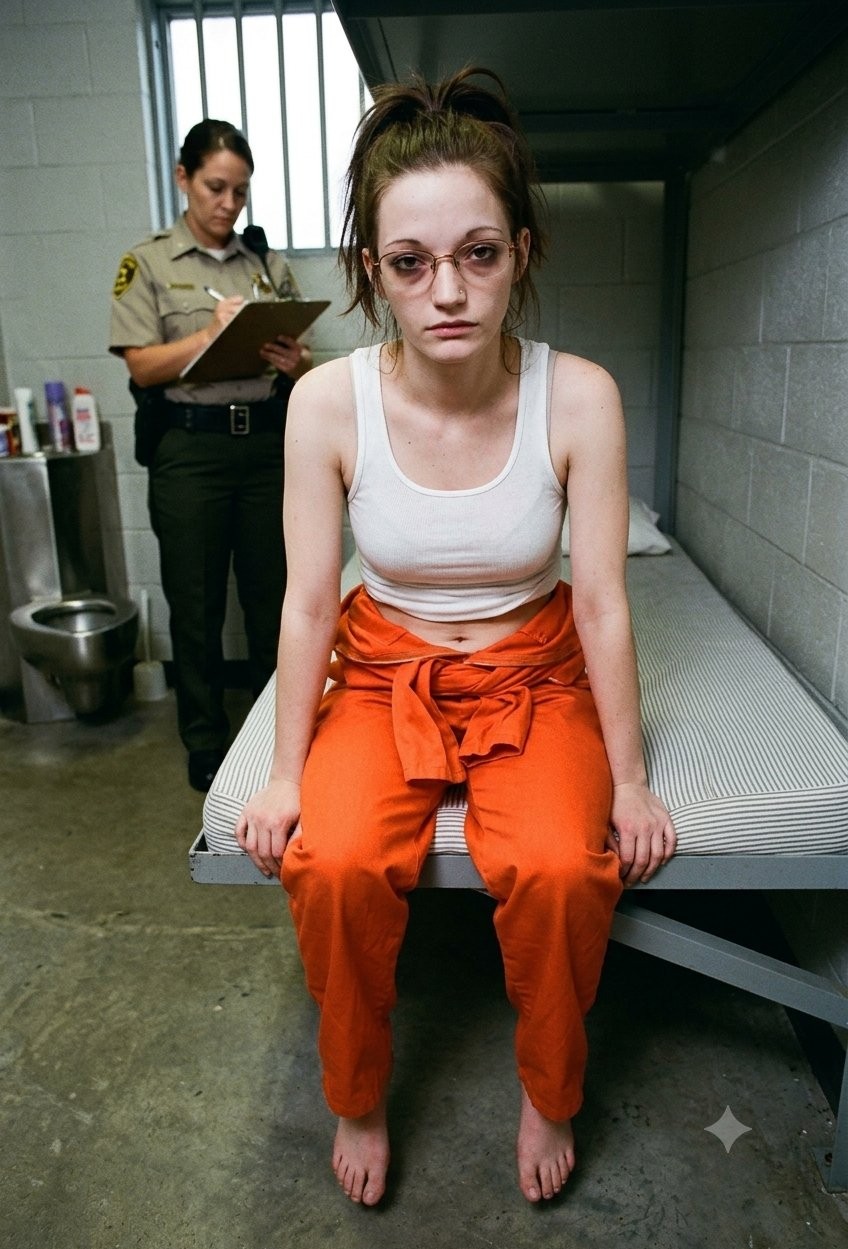
Journalist: You grew up in Jacksonville under difficult circumstances. How much of that early life feels present to you now?
Rosie: All of it, somehow. The humidity. The sound of parents arguing about money through thin walls. The way I learned to make myself small so I wouldn’t add to the burden. School was the first place the rules made sense. Straight A’s were not ambition; they were an escape route. Every scholarship application was a brick in the wall I was building between myself and that apartment. I thought I had succeeded. I had the quiet apartment, the library job, the part-time degree, the ability to cook real food and set a table for myself. I thought safety was something you could earn and then keep. I was wrong. Safety is provisional. One wrong screen, one system glitch, and the whole careful structure collapses.
I still feel the old instinct to apologize for existing. Even here I catch myself smiling at the guards so they won’t be angry, so they won’t look too closely. The smile is armor. It always was. It just doesn’t work against a death warrant.
The Investigative Desk: What do you miss most from your life before the arrest?
Rosie: The ordinary quiet. The sound of the library in the late afternoon when the students thin out and the fluorescent lights hum. The weight of a rare book in my hands. The smell of garlic hitting hot oil in my own kitchen. The moment when a complicated recipe comes together and the plate looks the way I imagined it. I miss being useful in a way that didn’t frighten anyone. Helping a freshman find the right microfiche. Organizing a chaotic set of reserve readings into something navigable. Those small acts of order felt like proof that I belonged in the world.
I miss the future I had sketched so carefully: finish the degree, work my way into archives or special collections, spend my life guarding quiet, structured spaces full of knowledge. I wanted to be a guardian of things that last. Instead I am waiting to become a statistic.
Journalist: If the sentence were commuted tomorrow, what would you do first?
Rosie: (she closes her eyes for a second) I would ask to go home—to the apartment, if it is still mine, or anywhere with a door I can lock and a stove. I would cook something elaborate. Multiple courses. I would set the table with the good plate I bought at a thrift store. I would light a candle. I would eat slowly and remind myself that scarcity is no longer the rule.
Then I would go to the library. Not as an employee necessarily—just as a reader. I would sit in the stacks and breathe the paper smell until my nervous system remembered what safety feels like.
After that… I don’t know. The degree. The archives. Maybe, someday, the terrifying experiment of letting one careful person past the smile. But first the cooking and the books. Those are the things that taught me I could take care of myself.
The Investigative Desk: What would you want people to understand about you if this is the last public record of your voice?
Rosie: That I was not a traitor. That I was a librarian who made a navigational error in a system that did not forgive navigational errors. That I spent twenty-one years trying to be small and useful and good so that the world would not notice me long enough to hurt me—and the world noticed anyway.
That I am afraid. Not only of dying, but of dying in a way that violates the one boundary I protected most fiercely. That I still believe, stubbornly, that truth matters more than efficiency. That I cooked beautiful meals for one and read dense novels and kept my apartment immaculate because those acts were how I told myself I had value. Please tell them I protested until the end. Please tell them the smile was armor, not indifference. Please tell them that somewhere inside the orange jumpsuit is still the girl who believed education was an exit and quiet was a right.
And if there is any power left in stories, please let this one reach someone who can still open a file, check a log, or sign a commutation. Four days is not much time. But it is still time.
I am Rosie Costley. I am innocent. I do not want to die.
(She stops speaking. The gentle smile returns, automatic and heartbreaking. Behind the glass her hands are trembling. The interview ends when a guard announces that the allotted time is over. She stands carefully, as if the floor might shift, and walks back toward the cells without looking over her shoulder. Our photographer was allowed to accompany her for the rest of the afternoon, and some of the photographs accompany this interview and the one below.)

Thank you for reading Part Two of our series on Rosie Costley. Part Three will cover her final days - and thanks to a request from Rosie herself, we have been granted special permission to stay with her until it's all over. Join us later this week for exclusive coverage of her last efforts to seek justice and, hopefully, freedom.
Bonus content:
Today we can also bring you an exclusive short interview with the head of the execution team assigned to Miss Costley's case, speaking to us on conditions of strict anonymity.
The Investigative Desk: Thank you for agreeing to speak with us under these conditions. You are the team leader responsible for the execution at the Civil TC Midgar Detention Complex. Can you confirm the schedule for Rosie Costley?
Team Leader: Yes. The state is scheduled to execute her via lethal injection this Friday, July 31, 2026. I'm speaking with you to show our organization's commitment to transparency and fairness.
The Investigative Desk: Walk us through the timetable for her final day. What exactly happens when it is time?
Team Leader: The procedure is highly systematic and clinical. When the time comes, she will be led from her cell and taken to a preparation room. There she'll be photographed for her files, given the chance to have a final shower, dressed, then taken to the execution chamber. When she gets there, she'll be quickly strapped down to a gurney. The gurney is essentially a wheeled, hospital-style trolley bed.
The Investigative Desk: How is she secured?
Team Leader: She will be secured by leather or webbing straps across her body and legs. Her bare arms will be strapped to boards projecting from the sides of the gurney, spread out wide in the shape of a cross.
The Investigative Desk: "You say her arms will be bare. Does that mean she'll be given a different outfit, rather than the standard orange uniform?"
Team Leader: Yes, she will change out of her standard-issue uniform prior to the procedure. She will be dressed in a simple tank top and loose gym shorts.When I refer to her bare arms, it is strictly a clinical requirement for the procedure. Her arms must be exposed and strapped to boards projecting from the sides of the gurney. This is done to ensure that our trained technicians have the unimpeded access necessary to insert a 14-gauge catheter into a vein in each arm. Providing her with a sleeveless top guarantees that the medical team has immediate, uninterrupted access to her injection sites without the need to cut, roll up, or adjust restrictive fabric. The gym shorts serve a similar clinical purpose, allowing for easy monitoring and unimpeded access should our technicians need to utilize secondary lines in her lower extremities.
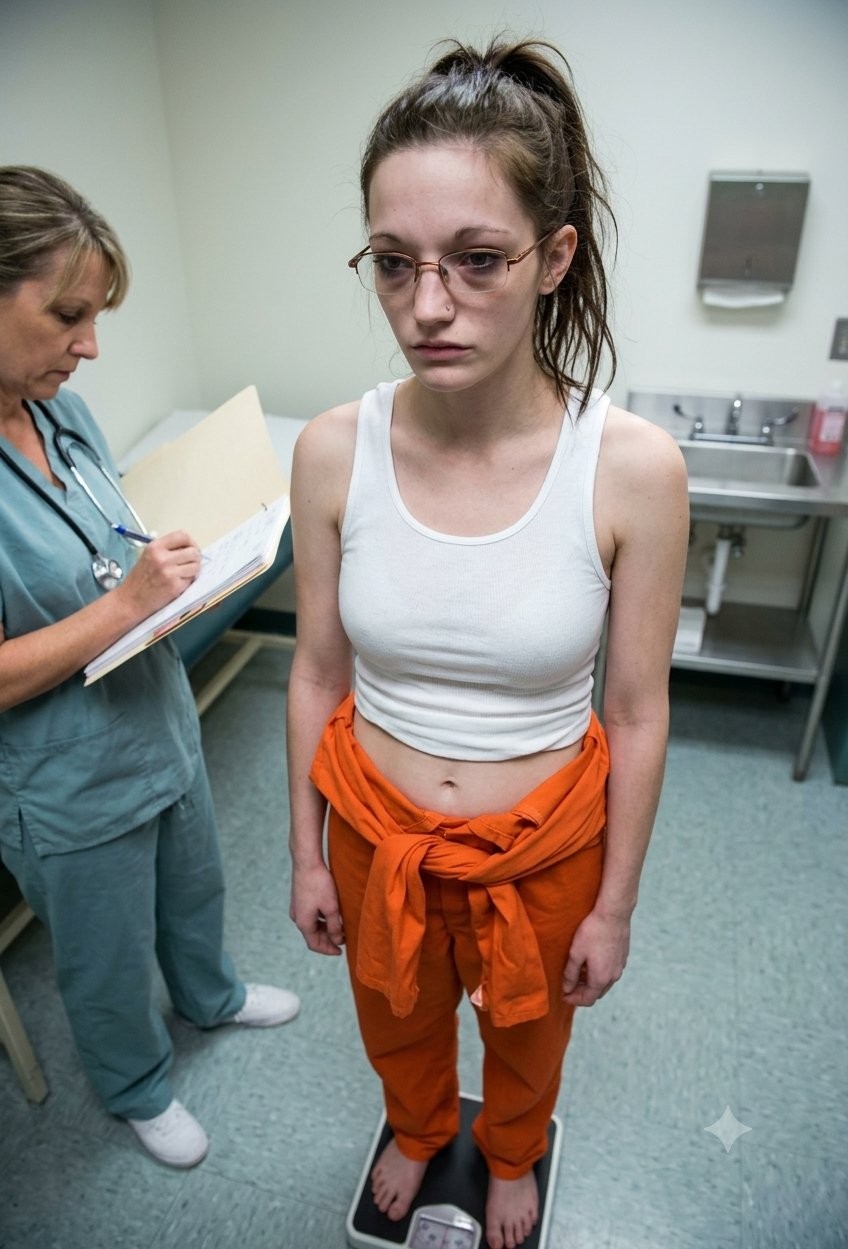
The Investigative Desk: Rosie is twenty-one years old and weighs barely one hundred pounds. She also suffers from severe trypanophobia—a paralyzing, deep-seated fear of needles. How does your team handle the IV insertion for someone with her physical and psychological profile?
Team Leader: It is one of the most difficult parts of the process. Trained technicians must insert a 14-gauge catheter—which has a 2.0mm diameter and is the largest commercially available needle—into a vein in each arm. We use two lines: a primary line, and a secondary one reserved as a backup in the event the primary fails.
Because of her small size, her intense fear, and her delicate veins, finding a suitable site may require agonizing minutes of probing. When an inmate is terrified, their veins can contract and become incredibly hard to find. If our technicians cannot establish a line normally, a minor surgical procedure known as a "cut-down operation" has to be performed to locate a usable vein.
The Investigative Desk: Once the needles are successfully inserted, what is the next step?
Team Leader: The catheters are immediately flushed with 10cc of a Heparin solution to prevent any clots from forming inside. Then, a 1,000cc bag of saline solution is connected to the ends of the catheters to ensure the lines are clear.
At that point, the curtains surrounding the execution chamber are drawn back to allow the witnesses to see the procedure. She will be permitted to make a final statement. Once she is finished, the warden gives the signal for the execution to begin.
The Investigative Desk: Can you detail the exact drugs that will be pumped into her bloodstream?
Team Leader: The protocol generally consists of three separate injections administered in sequential order.
- The Anesthetic: First, she receives a massive dose of a drug like sodium thiopental or pentobarbital. This is an ultra-short-action barbiturate intended to render her unconscious in less than 30 seconds.
- The Paralytic: Next, she is injected with a non-depolarizing muscle relaxant, typically pancuronium bromide. This causes fast, complete, and sustained paralysis of the striated skeletal muscles, including the diaphragm, which arrests her breathing.
- The Cardiotoxin: Finally, we administer potassium chloride. This increases the cardiac concentration of potassium, disrupting the electrical activity of the heart muscle and stopping the heart via an abnormal heartbeat, resulting in cardiac arrest.
The Investigative Desk: How long does this entire process take?
Team Leader: From start to finish, the procedure typically takes 20 to 30 minutes, largely depending on the ease of locating a vein. The actual administration of the injections takes from 3 to 5 minutes to complete. We intervene with saline flushes between each drug to prevent any chemical reactions that could block the IV line.
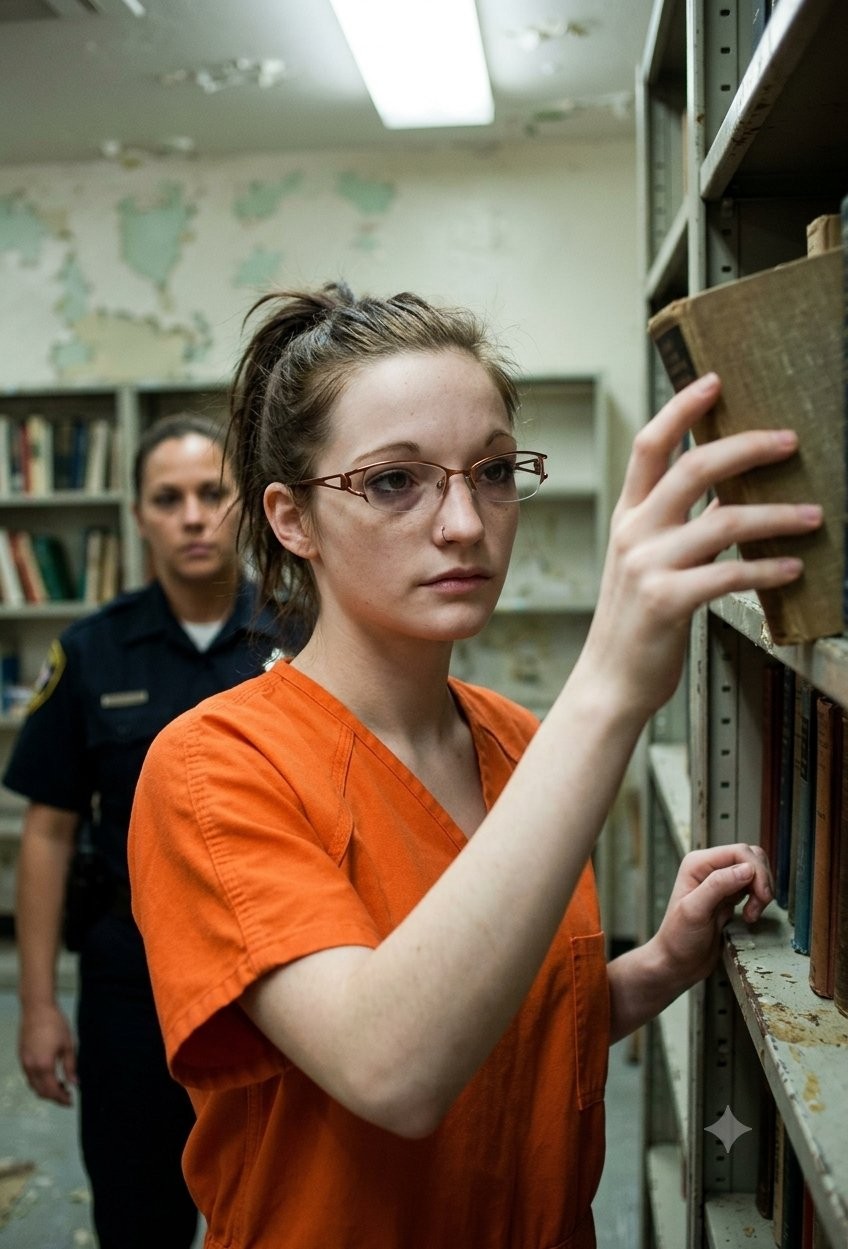
The Investigative Desk: Human rights opponents have argued that this specific three-drug cocktail risks anesthesia awareness. Is it possible she could be paralyzed, suffocating, and feeling the burning of the potassium chloride while entirely unable to signal her pain?
Team Leader: I am aware of those arguments. Opponents do argue that if the ultrashort-acting barbiturate wears off, or if it is improperly administered, the inmate could suffer extreme pain and distress while completely paralyzed by the pancuronium bromide. The highly concentrated solution of potassium chloride could cause severe pain at the site of the IV line and along the punctured vein if she is not entirely unconscious. We monitor her cardiac rhythm closely throughout. Death is officially pronounced after cardiac activity stops, which usually occurs within seven minutes of the lethal sequence. We are simply carrying out the warrant as it is specified.
The Investigative Desk: But when she's given the injection, how can you tell she's not suffering?
Team Leader: The primary assurance comes from the administration of the first drug in the sequence. We use a massive dose of an ultra-short-acting barbiturate, such as sodium thiopental or pentobarbital. To give you an idea of the scale, the amount of sodium thiopental used in executions is between eight and ten times the amount used for standard medical anesthesia. This protocol is specifically designed to render her deeply unconscious in less than 30 seconds.
Throughout the execution, we monitor her cardiac rhythm closely. However, I will candidly acknowledge the clinical limitations of what we can observe.
Once the second drug—the muscle relaxant pancuronium bromide—is injected, it causes fast, complete, and sustained paralysis of all striated skeletal muscles. This introduces a significant variable, what we call the 'masking effect'. Because she will be completely paralyzed, the drug physically prevents her from expressing pain or communicating distress. Even when there's minor spasms and agonal gasping, these are normally entirely involuntary, and so aren't actually a sign of suffering, despite what some in the media more sympathetic to criminals than we are might have you think. Ultimately, because she cannot physically react after the paralytic is administered, we rely entirely on the massive initial dose of the anesthetic and the strict adherence to our medical protocols to ensure she is not suffering.
The Investigative Desk: You're the one who is, ultimately, responsible for killing a young woman who some people say is completely innocent. How do you deal with that?
Team Leader: I separate the person from the process. If I allowed myself to carry the weight of whether every inmate is guilty or innocent, or focus on their age or their backstory, I wouldn’t be able to do this job. My responsibility isn't to decide guilt or innocence, nor is it to pass judgment. The legal system, the juries, and the courts handle those decisions long before someone reaches my facility. My sole duty—and the duty of my team—is to ensure that the order issued by the court is carried out as professionally, humanely, and clinically as possible, strictly adhering to established protocol. You focus entirely on the mechanics, the safety of the staff, and maintaining order. That is the only way you survive in this line of work.
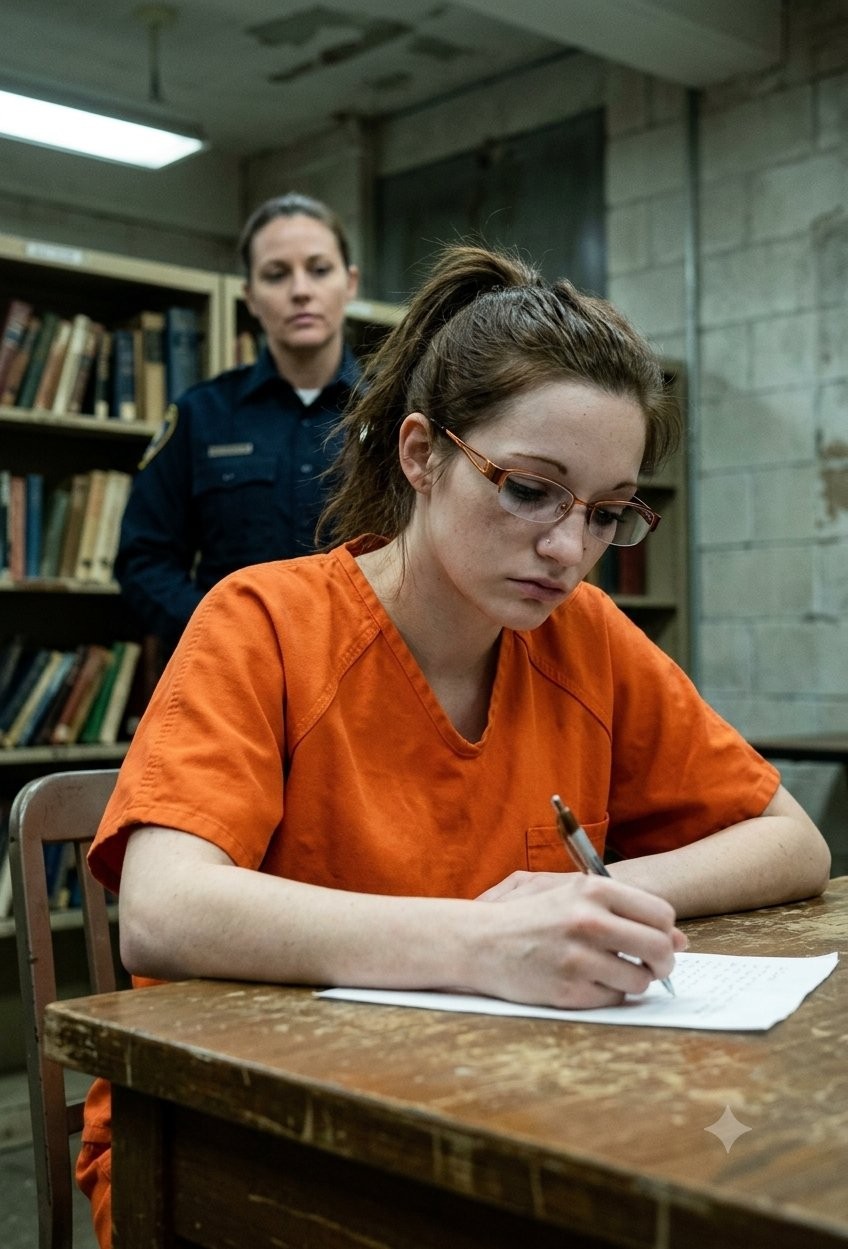
Miss Rosie Costley writes another letter to one of her few supporters. Please don't miss the final part in this series, coming to you on Friday. In the meantime, if you want to support Rosie, please reach out to her via the communication kiosk at TC Midgar Detention Complex, as well as contacting the State Tribunal judge currently considering her appeal.